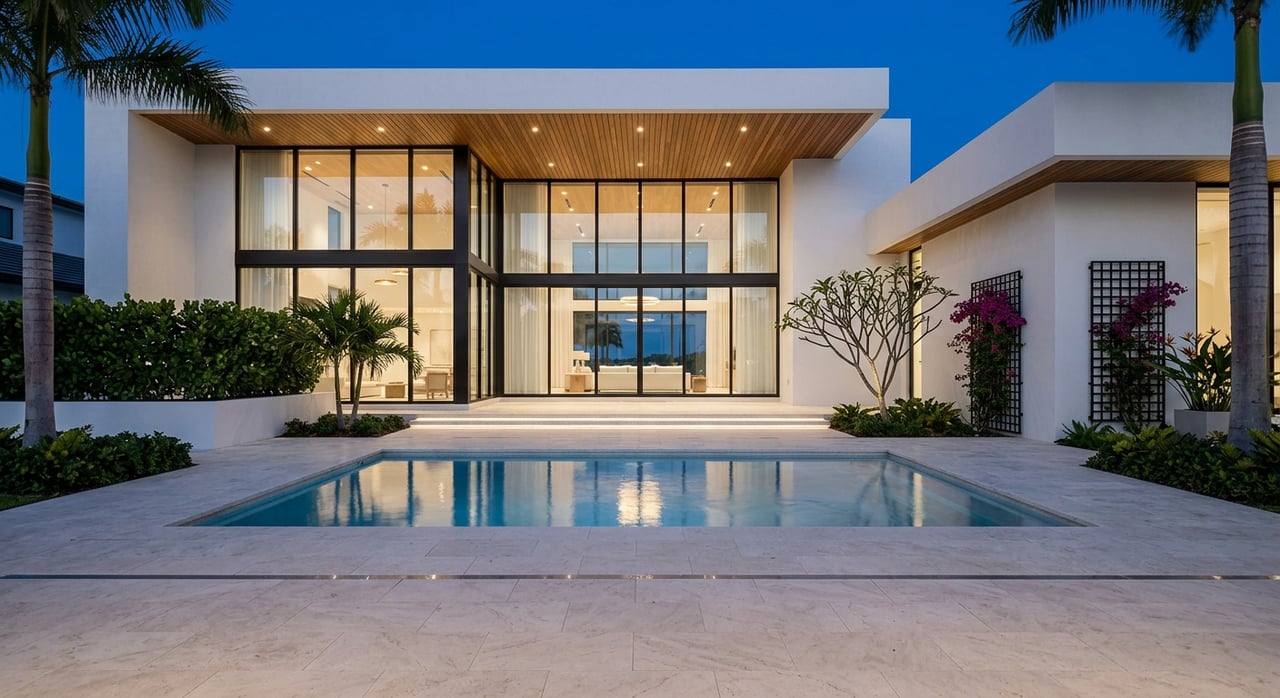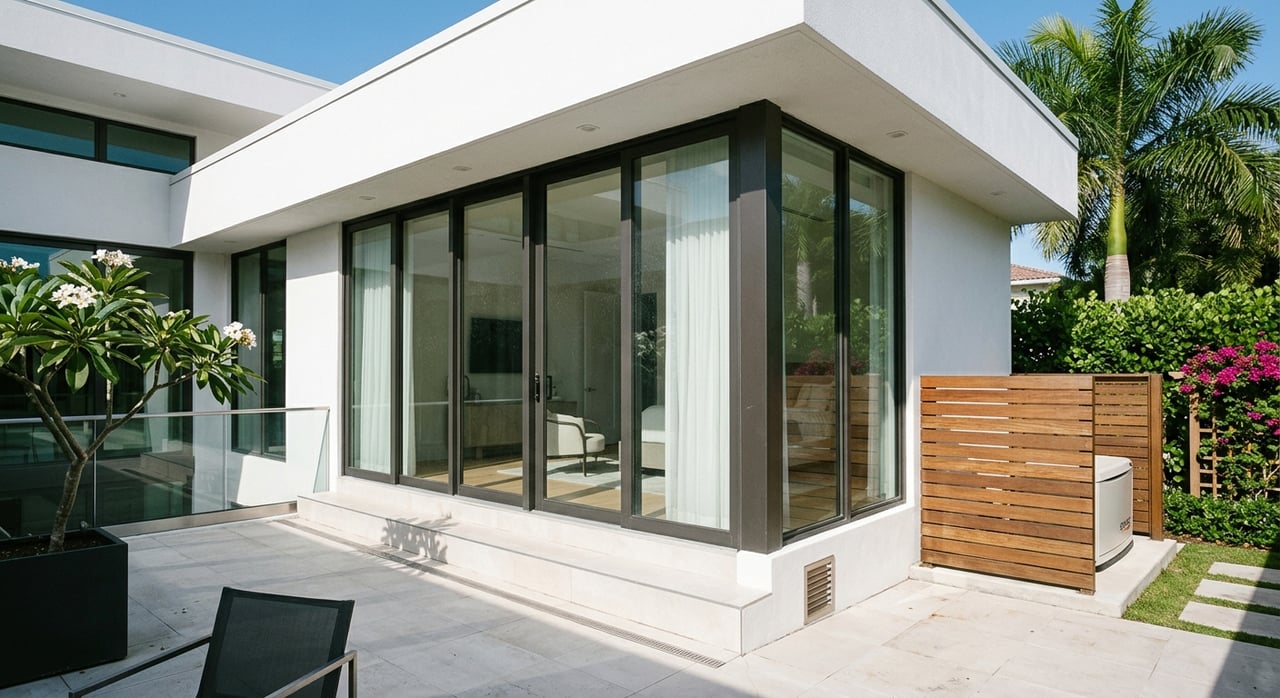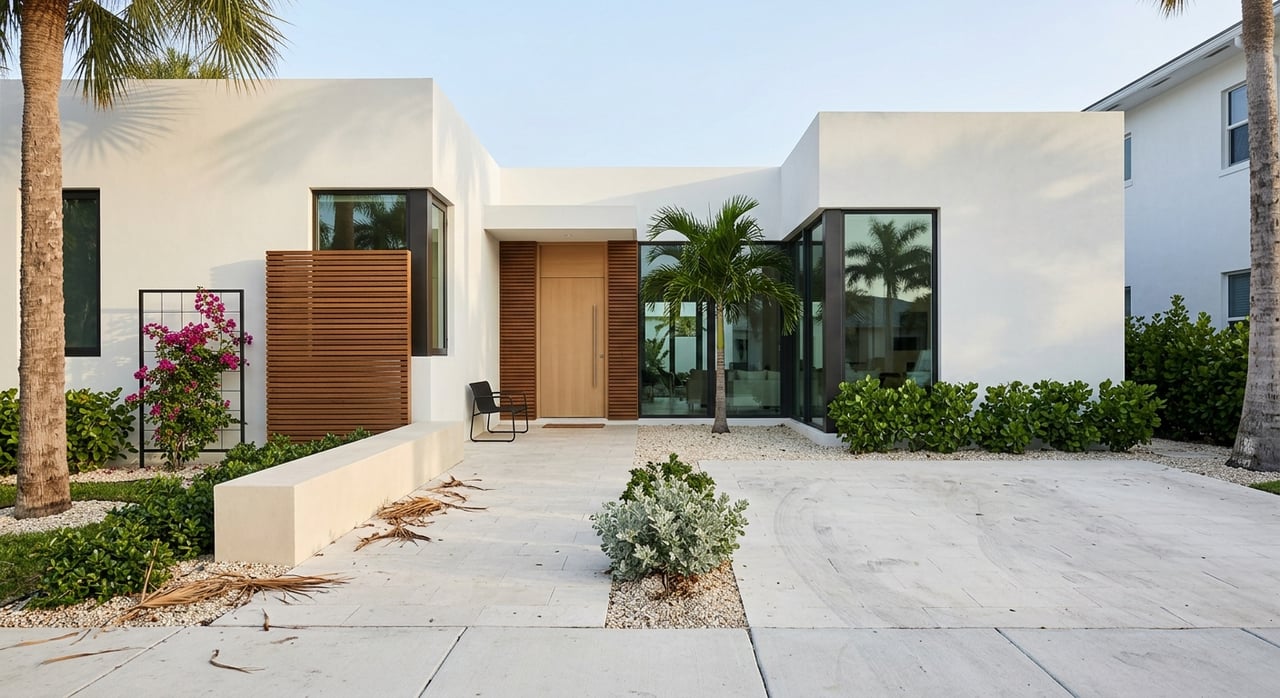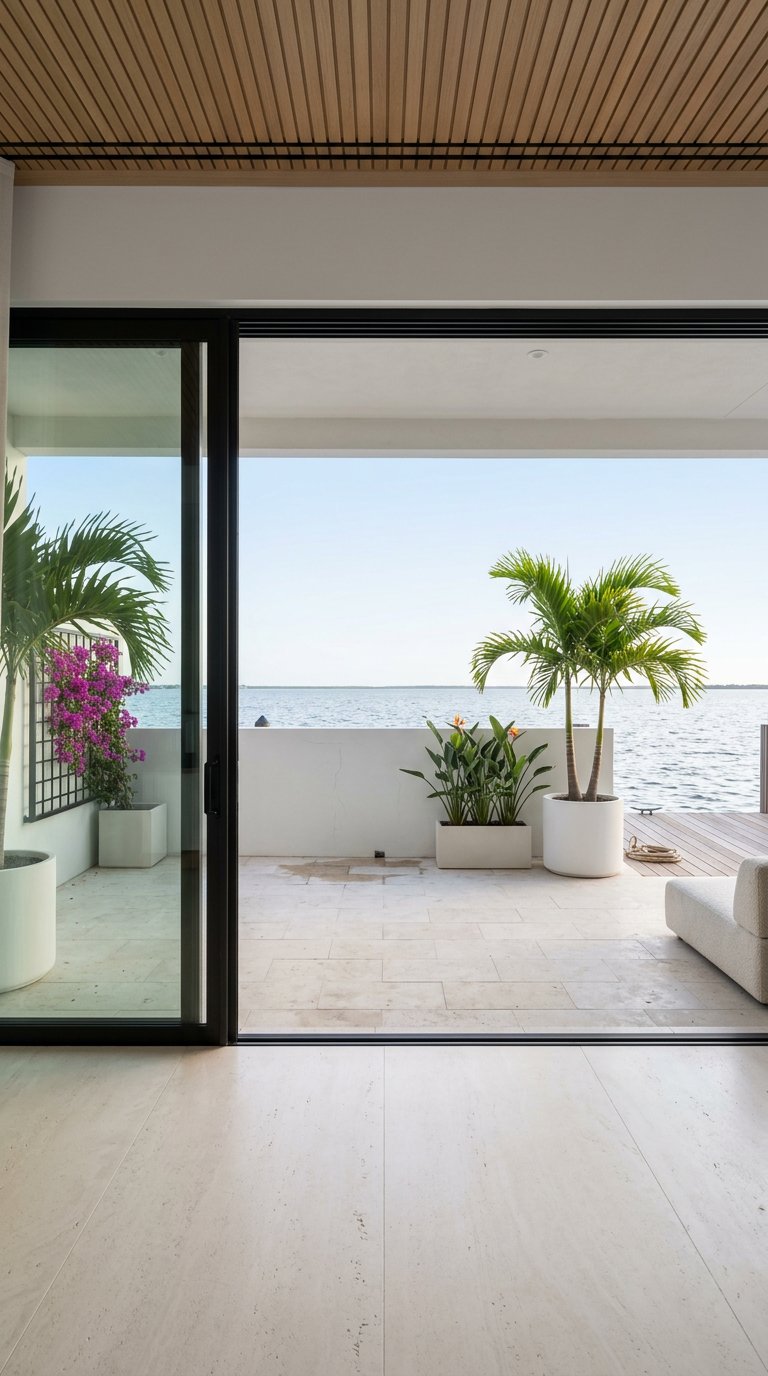
Are you getting your Boca Raton waterfront home truly ready to earn every dollar it deserves, or just ready to list it? High‑end buyers judge more than finishes. They study dock specs, seawalls, permits, and insurance readiness as closely as the kitchen. If you want maximum price with minimum friction, you need a plan that covers structure, documentation, and presentation. This guide walks you through the exact steps that move the market in Boca Raton and Palm Beach County so you can sell with confidence. Let’s dive in.
What waterfront buyers pay for in Boca Raton
Serious waterfront buyers value certainty and documented water access as much as design.
- Water access facts: publish dock length and configuration, boat‑lift capacity, mean low water depth, bridge clearances, and minutes to the inlet. Omit these and you invite early questions and doubt.
- Structural documentation: have seawall, dock, and lift permits and engineer reports ready. The City of Boca Raton outlines marine structure requirements, inspections, and final engineer sign‑offs for seawalls and docks. Review the city’s guidance on seawalls and marine structures.
- Insurance readiness: wind mitigation features, roof age, and flood data shape underwriting. Clear, current paperwork reduces buyer risk and supports stronger offers.
Start with due diligence first
Address ownership, permitting, and flood questions before photos or pricing. It saves weeks and protects your leverage.
Confirm riparian rights and easements
Review your deed for riparian or littoral rights, any easements, and whether a submerged‑lands lease applies. These details affect who owns and maintains the seawall or dock and what improvements are allowed. For context on riparian rights considerations, see this Florida waterfront rights primer.
Pull permits and as‑builts
Gather the permit history and as‑built drawings for the seawall, dock, lift, pool, roof, and any major renovations. Missing permits are a common cause of price concessions. Boca Raton lists required reviews, inspections, and final engineer reports for marine work on its seawalls and marine structures page.
Prepare the Florida flood disclosure
Florida law requires sellers to deliver a flood disclosure at or before contract execution, effective October 1, 2024. Assemble flood claim history, any federal assistance records, and an Elevation Certificate if your home is in or near a Special Flood Hazard Area. Review the legislative analysis for HB 1049 here.
Seller‑ordered inspections that de‑risk your sale
Time your inspections in a smart order so you can plan work, set expectations, and market with confidence.
Seawall and marine structure assessment. Hire a licensed marine contractor or civil or structural engineer to inspect wall condition, tie‑backs, elevation, pilings, and underwater components. Boca requires documented plans and a final engineer report for seawall projects. See the city’s requirements.
Dock, boat lift, and pilings inspection. Verify lift capacity, anchors, and dock electrical. Buyers with larger boats will ask for documentation. Unpermitted marine work can create underwriting issues.
Full home, pool, and WDO inspections. Coastal exposure accelerates corrosion on metal and equipment. Address surprises now, not after a buyer’s inspection.
Wind mitigation inspection. Document impact‑rated openings, roof‑to‑wall ties, and other features that may produce insurance credits. Learn how these reports help in Florida from this wind mitigation guide.
Sewer lateral or septic check and pool equipment history. These are frequent buyer requests and sometimes required by utilities or HOAs.
Environmental considerations. If mangroves or seagrasses are present, or if dredging is in the picture, understand state and county protections and permitting paths through the Florida DEP’s Submerged Lands and Environmental Resources program.
Prioritize repairs that move the price needle
Marine and insurance‑related items first
- Seawall and dock safety. Failing or undocumented marine structures shrink your buyer pool and can block financing or insurance. Address repairs, or market with permits and engineer plans in hand, per Boca’s seawall inspection and documentation.
- Roof, HVAC, and electrical. Coastal buyers and insurers look closely at system ages and tie‑downs. A current wind mitigation inspection can help quantify insurance savings for buyers. See the wind mitigation overview.
Impact glass and hurricane protection
Impact‑rated glazing or certified shutters lower risk perceptions and may earn insurance credits. When available, include product approvals or NOA numbers. For example, Florida product approvals are documented through the Florida Building Commission.
High‑ROI cosmetic updates
Focus on modest, high‑impact improvements. National Cost vs. Value analysis shows exterior refreshes and minor kitchen updates often recoup more than major overhauls. Use finishes aligned to Boca’s luxury buyer and lean on nearby comps for calibration. Review the latest Cost vs. Value report.
Waterfront‑specific staging
- Clear sightlines to the water by removing heavy drapery and trimming non‑protected vegetation. Avoid illegal mangrove trimming and follow state rules for shoreline resources, as outlined by the Florida DEP.
- Stage for indoor‑outdoor living. Keep palettes light and neutral. Dress the dock and terraces to suggest real use, such as alfresco dining. NAR research highlights how staging improves buyer perception and time on market. See NAR’s staging resources.
Pricing and presentation strategy
Premium media that justifies premium pricing
High‑net‑worth buyers expect flawless visuals that showcase water adjacency and access. Invest in:
- Professional photography with wide angle, HDR, and twilight imagery
- Aerial drone photos showing lot lines, frontage, and the run to the inlet
- Floor plans and a detailed dock and lift spec sheet
- A 3D tour to capture flow and views; industry data shows virtual tours lift engagement. Explore these 3D tour statistics.
Go live when the story is complete
Use a short Coming Soon or Private Exclusive window while staging and punch‑list items wrap, then launch publicly with complete media and documentation. This approach reduces days on market and prevents listing fatigue.
Funding and project management options
How Compass Concierge can help
Compass Concierge can front the cost of strategic pre‑sale improvements such as staging, painting, flooring, landscaping, and many roof, pool, or utility repairs. There is no upfront payment, and you pay the program back at closing or per program terms, subject to eligibility, local availability, and underwriting by the financing partner. Review program details on the Compass Concierge page.
Use Concierge when you want curated scope, vetted vendors, and a streamlined path to market without writing checks before closing. Confirm whether marine or permit‑intensive projects qualify in your area.
Alternatives and timing
Some sellers prefer a personal line of credit or direct contractor arrangements, especially for complex marine work that requires permits and longer lead times. Obtain bids early, secure permits, and then decide which funding path best fits your calendar.
Timeline and vendor game plan
Marine due diligence and permits can define your calendar, so begin there.
- Typical duration. Expect 2 to 8 weeks for interior updates and staging. Marine permitting and seawall or dock work can add several weeks to months based on scope and agency reviews. Start with inspections and engineer reports per Boca’s marine structure process.
- Who to hire. Licensed marine contractor, civil or structural engineer with marine experience, certified lift technician, licensed electrician for dock power, licensed HVAC contractor, pool inspector, home inspector, wind mitigation inspector, licensed surveyor, professional stager, and an FAA Part 107 drone photographer.
- What to prepare. Proof of licenses and insurance, references, and a clean permit trail for every project.
What not to overbuild
Big seawall replacements and dredging are sometimes necessary to make a property financeable and insurable, but they rarely return dollar‑for‑dollar in resale price. Their value is in preventing steep discounts and widening the buyer pool. Cost ranges vary widely by site, and projects can be tens of thousands to well over $100,000 for long or deep‑water walls. See directional estimates for Florida projects in this seawall cost overview, then obtain a local engineer’s quote.
For docks and lifts, modest installs can start in the low tens of thousands while higher‑end fixed docks with lifts and utilities can reach $40,000 to $100,000 or more. These are broad ranges that depend on specifications and access. For a general sense of scope, review this dock installation overview. Always get site‑specific bids.
Insurance and disclosures that smooth closings
- Flood disclosure. Florida’s HB 1049 requires a seller flood disclosure at or before contract execution beginning October 1, 2024. Have your documentation ready. See the bill analysis.
- Flood insurance context. FEMA’s Risk Rating 2.0 changed how NFIP prices policies, which can affect affordability. Indicate if you have a current flood policy and offer the Elevation Certificate on request. Learn more about Risk Rating 2.0 in FEMA’s overview.
- Permit and renovation records. Upload permits, certificates of completion, and contractor invoices to the MLS document set where appropriate. Unpermitted marine work is a frequent underwriting hurdle.
- Environmental notes. Mangroves and seagrasses are protected resources. Shoreline work and dredging are regulated and may require permits through the Florida DEP’s Submerged Lands and Environmental Resources program.
Quick pre‑listing checklist
- Pull permit history and as‑builts for seawall, dock, lift, pool, roof, and major renovations. Reference Boca’s marine structures guidance.
- Order a seawall and dock inspection plus a marine engineer’s assessment and location survey.
- Get a full home inspection, pool inspection, WDO report, and wind mitigation inspection.
- Obtain an Elevation Certificate if applicable and organize your flood claim history for the required disclosure. Review HB 1049 requirements.
- Prioritize scope and budget: safety and insurance items first, then staging and curb appeal, then targeted kitchen or bath updates guided by the Cost vs. Value report.
- Decide on funding: Compass Concierge vs. self‑funding or local financing. Confirm eligibility for any marine work.
- Book pro staging, twilight and drone photography, a 3D tour, and create a dock and lift spec sheet.
When you lead with structure, documentation, and a polished story, you expand your buyer pool, reduce renegotiations, and position your Boca Raton waterfront home to command top dollar. If you want a calm, project‑managed path from assessment to closing, backed by high‑end presentation and Compass distribution, connect with Alan Abramson.
FAQs
What inspections should Boca waterfront sellers order first?
- Start with a seawall and marine structure assessment by a licensed marine contractor or engineer, then dock and lift inspections, followed by full home, pool, WDO, and wind mitigation inspections.
How does Florida’s new flood disclosure rule affect my sale?
- As of October 1, 2024, you must provide a flood disclosure at or before contract signing, so prepare claim history, any federal assistance records, and an Elevation Certificate if applicable.
Which repairs add the most value on a waterfront home?
- Safety and insurance items like seawall, dock, roof, and impact protection come first, then high‑impact cosmetic updates and staging that highlight water views and indoor‑outdoor flow.
What water access details should I include in the listing?
- Share dock length, lift capacity, mean low water depth, bridge clearances, and estimated minutes to the inlet, plus any dredging history and permit documentation.
Can Compass Concierge fund my pre‑sale improvements?
- Compass Concierge can front approved improvement costs with repayment at closing or per program terms, subject to eligibility and local availability; confirm whether marine work qualifies in your market.
How long do marine permits and repairs usually take in Boca?
- Interior updates often take 2 to 8 weeks, while marine permitting and repairs can add several weeks to months depending on scope and agency reviews, so start marine due diligence early.