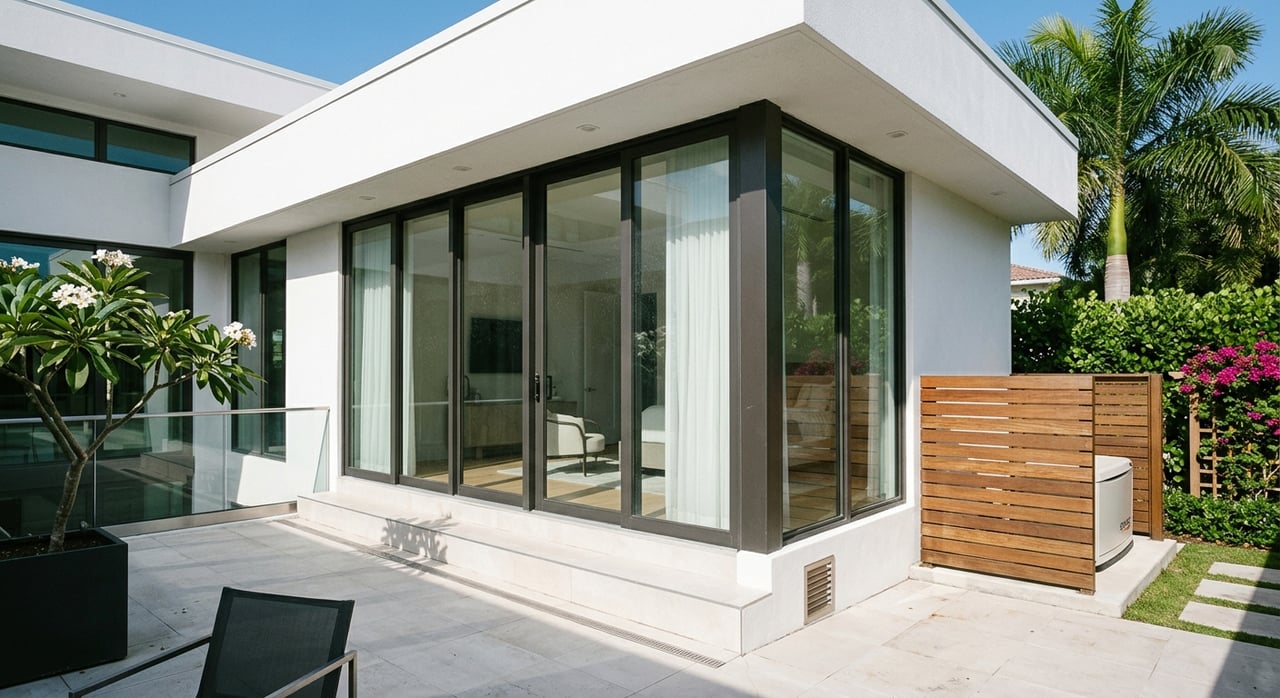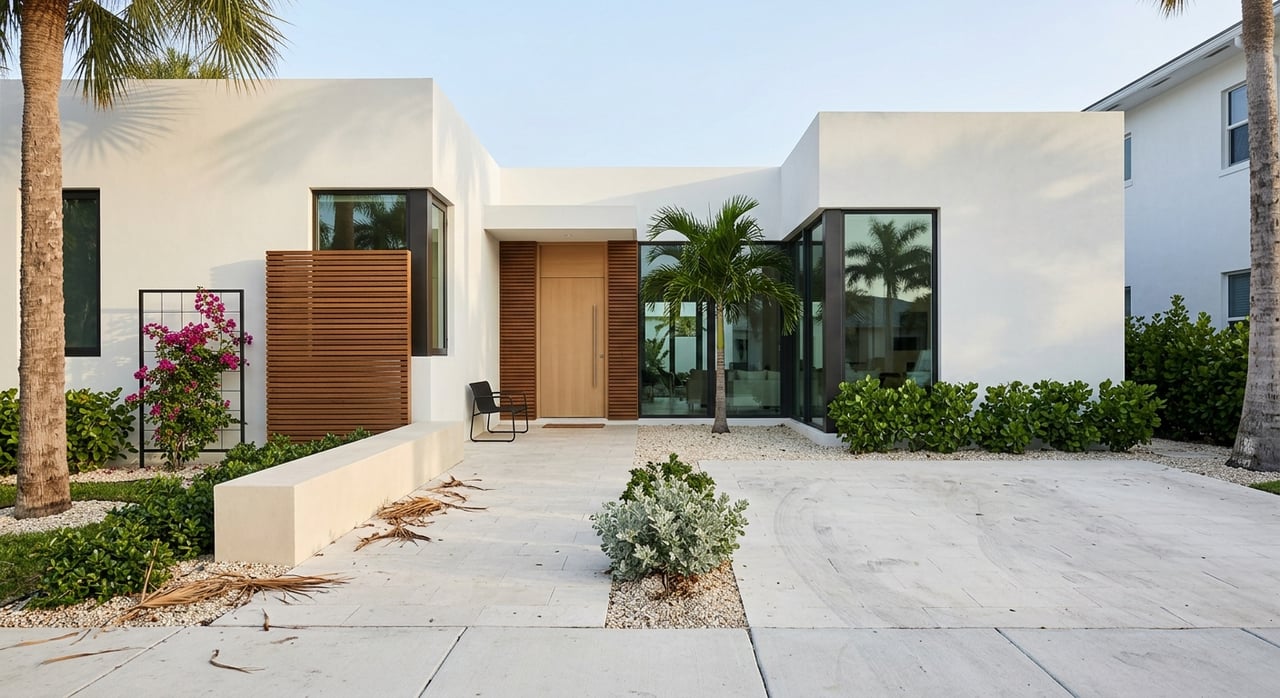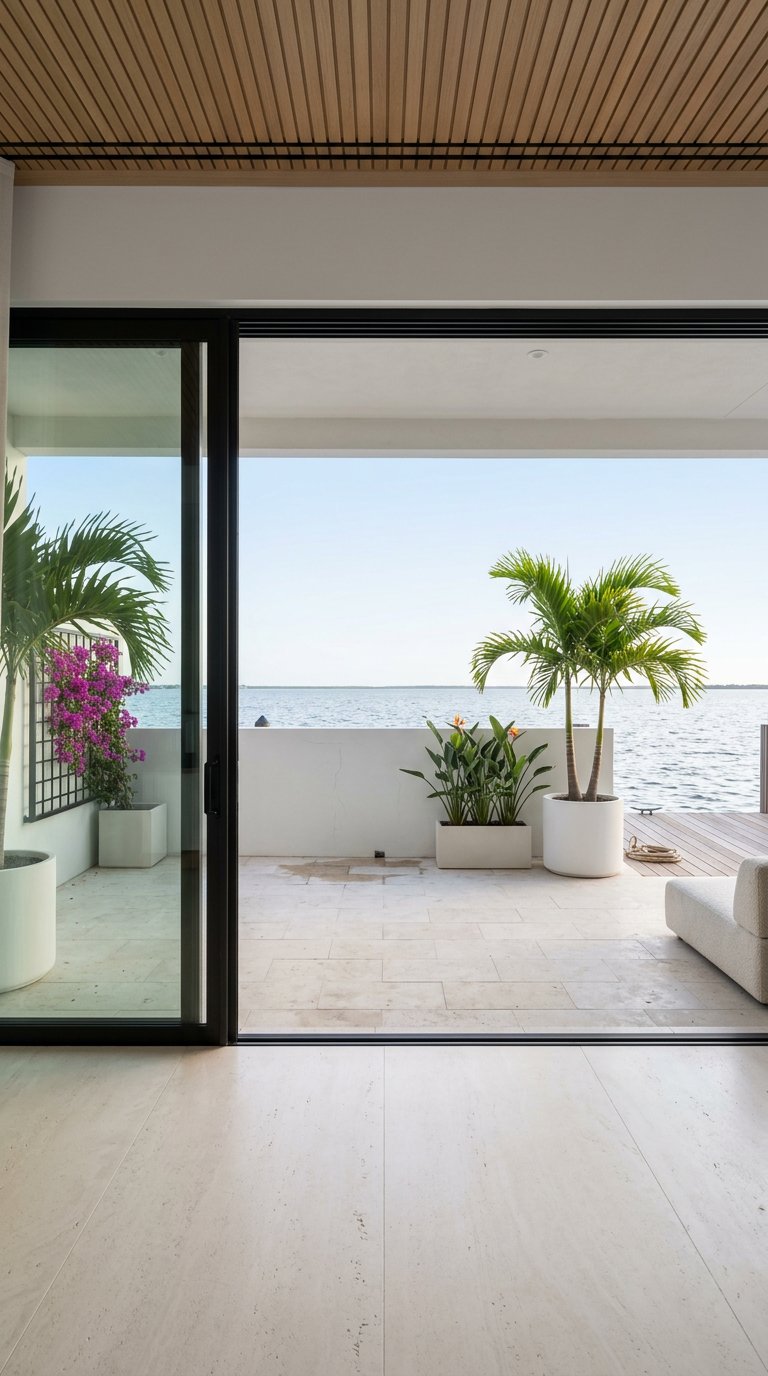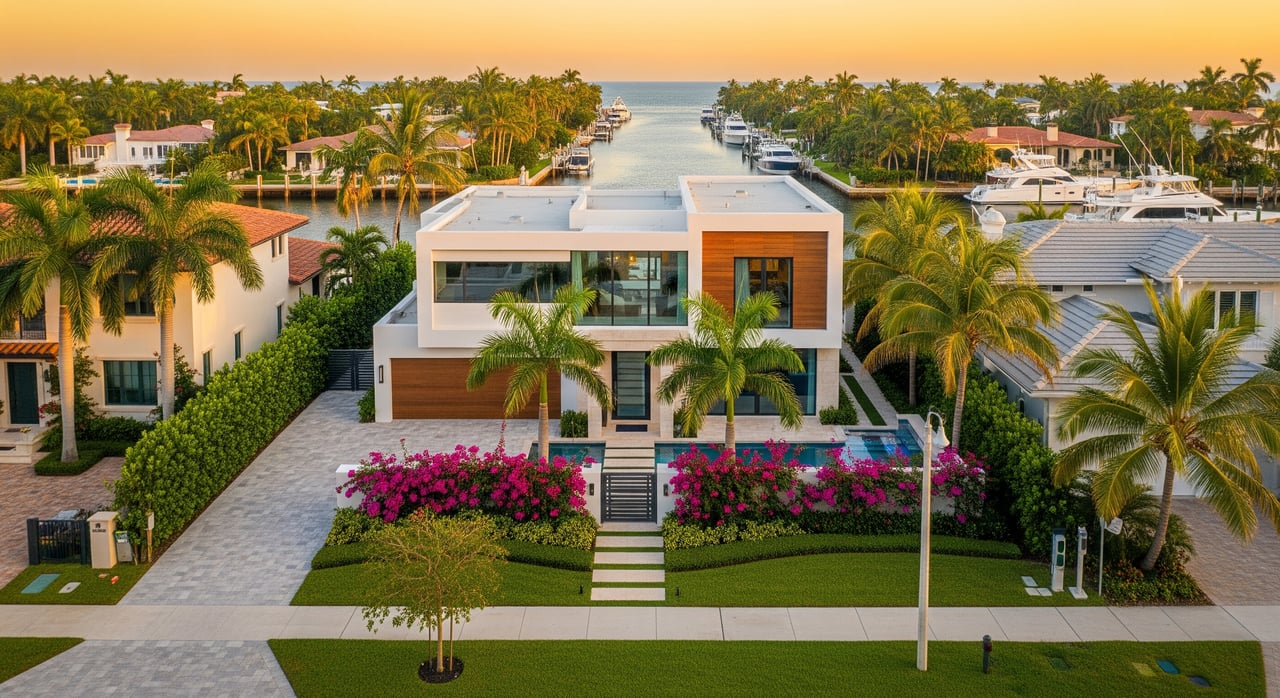
Thinking about a move to Boynton Beach? You are not alone. This coastal city sits in the heartbeat of Palm Beach County, close to Boca Raton, Delray Beach, and West Palm Beach, with beaches, parks, and a range of neighborhoods to match your lifestyle. In this guide, you will learn how the city is laid out, what commutes really look like, and the key things to check before you buy. Let’s dive in.
Boynton Beach at a glance
Boynton Beach blends beachside living with inland suburbs, so you can choose between ocean access and larger yards. The city’s official site is a helpful starting point for local services, parks, and redevelopment updates through the City of Boynton Beach. For a quick demographic snapshot before your visit, review the latest estimates on the U.S. Census QuickFacts page for Boynton Beach.
Neighborhoods and lifestyles
Boynton Beach reads east to west. Your first choice is often between ocean-adjacent convenience and inland space and value. Here is how the main areas feel.
Beachfront and oceanfront
- What you will find: Oceanfront condos and some smaller single-family homes near the Atlantic. Many buildings were built mid-century with later high-rises mixed in.
- Lifestyle: Easy beach access and walkable dining. Seasonal visitors are common, especially in winter.
- Key checks: Flood zone status, windstorm and flood insurance costs, and the health of condo reserves. Older buildings with elevators can have higher maintenance.
Downtown and Boynton Beach Boulevard corridor
- What you will find: A mix of restaurants, local shops, marinas, and both historic homes and newer infill.
- Lifestyle: Walkability and community events, close to the Intracoastal and harbor.
- Key checks: Parking and event traffic, plus varying property conditions if you are considering a renovation.
Mid‑city near I‑95 and arterials
- What you will find: Shopping centers, medical offices, schools, apartments, townhomes, and more affordable single-family pockets.
- Lifestyle: Quick access to I‑95 and services. Less beach walkability but convenient daily living.
- Key checks: Road noise on the main corridors balanced against commute convenience.
Western Boynton suburban communities
- What you will find: Gated subdivisions, golf and country club communities, and family‑oriented neighborhoods with larger lots.
- Lifestyle: Parks, yards, and a quieter feel. Better value per square foot than the oceanfront.
- Key checks: Longer drive times to the beach and coastal nightlife. Test routes to work and schools.
55+ and active‑adult options
- What you will find: A wide range of age‑restricted or active‑adult communities in the Boynton area and across Palm Beach County.
- Key checks: Confirm age rules, amenities, HOA services, reserves, and any assessments.
Commutes and connectivity
You live on a regional corridor here. Plan your commute with a few core routes in mind.
Core driving routes
- I‑95: The main north‑south spine for West Palm Beach, Boca Raton, Fort Lauderdale, and Miami. Expect peak congestion like the rest of South Florida.
- U.S. 1: A local commercial corridor with signals and slower speeds.
- East‑west arterials: Boynton Beach Boulevard, Congress Avenue, Military Trail, and Jog Road are your connectors to I‑95 and daily services.
- Florida’s Turnpike: West of the city and useful for longer regional drives.
Rail and bus options
- Tri‑Rail: Regional commuter service with nearby stations in Delray Beach, Boca Raton, and West Palm Beach. Check routes and park‑and‑ride options on the Tri‑Rail website.
- Palm Tran: County bus routes for local commutes and errands. Review coverage and frequency on Palm Tran.
- Brightline: Higher‑speed intercity rail for trips to West Palm Beach or Boca Raton and beyond. See schedules and station details on Brightline. It is not a local replacement for daily Boynton commutes but is great for weekend travel.
Realistic drive times
- To West Palm Beach: often 20 to 35 minutes by car from most parts of Boynton.
- To Boca Raton or Delray Beach: about 15 to 35 minutes depending on origin and congestion.
- To Fort Lauderdale: roughly 50 to 75 minutes in typical traffic.
- To Miami: often 70 to 120 minutes based on route and time of day. Always test your specific route during morning and evening peaks to set expectations.
Beaches, parks, and daily living
Ocean access and boating
Public access points and oceanfront parks make the beach a regular part of life for many residents. The city maintains local beach facilities and updates through the City of Boynton Beach. Marinas near the Boynton Inlet serve boaters and fishing charters, which adds to the waterfront feel.
Parks and preserves
Families and nature lovers flock to Green Cay Nature Center & Wetlands for boardwalks and wildlife viewing. It is part of the county’s robust park network, which you can explore through Palm Beach County Parks.
Schools and education
Public schools are managed by the School District of Palm Beach County. Assignments vary by address, so verify with the district’s tools on the School District of Palm Beach County site. For a second opinion and parent reviews, you can also check GreatSchools. Keep your language neutral when comparing options and confirm zoning before you buy.
Healthcare and services
You will find neighborhood urgent care and primary care options in Boynton, with larger hospitals a short drive away in West Palm Beach and Boca Raton. If healthcare access is a priority, map your route during busy times and confirm in‑network providers.
Buying smart: homes, condos, and costs
Condo vs single‑family tradeoffs
- Condos: Typically closer to the ocean and services. Lower maintenance living, but factor in HOA fees and building reserves. Seasonal rental potential varies by building.
- Single‑family homes: More common inland with larger lots and more space for the price. You handle more maintenance but have greater control over upgrades and insurance choices.
Flood and insurance planning
Coastal proximity and low elevations mean flood risk varies street by street. Before you make an offer, confirm the flood zone on the FEMA Map Service Center. Insurance costs for homeowners, wind, and flood can be significant, and newer construction with wind mitigation can help. Ask for insurance quotes early in your process.
HOA and building health for condos
Review HOA bylaws, budgets, reserve studies, and any recent or pending special assessments. Ask about structural reserves, past elevator work, hurricane preparedness, and rental rules if you are considering seasonal use or an investment.
Property condition checklist
Near the coast, salt air accelerates wear. Look closely at:
- Roof age and material
- Impact windows or shutters
- HVAC systems and water heaters
- Electrical panels
- Parking and storage for condos
- Any deeded boat slips or marina rules Also verify property taxes and any special assessments through county records before you finalize terms.
One‑day discovery plan
Use a single, organized day to sample different lifestyles and test commutes.
- Morning: Drive your target route to work during peak times. Grab coffee downtown and walk a few blocks to feel the rhythm of the area.
- Late morning to midday: Tour three contrasting options, such as a beach condo, a downtown bungalow, and a western single‑family home.
- Afternoon: Visit Green Cay Nature Center and drive by assigned schools to understand travel times and traffic patterns.
- Late afternoon: Test your evening commute. Return to your favorite neighborhood to listen for noise, check lighting, and note parking.
- Logistics: Book showings with your agent, bring a checklist covering flood zone, insurance quotes, HOA health, and commute notes. Take photos and mark amenities on a map so you can compare later.
How we guide your move
Relocating to a new city should feel planned, not rushed. You get a clear, step‑by‑step process: neighborhood shortlists based on lifestyle and commute, targeted property tours, insurance and HOA diligence early, and renovation or staging guidance where it adds value. As a seasoned advisor with construction and project management expertise, I help you see both the numbers and the nuts and bolts, so you can buy with confidence.
Ready to narrow your search and tour the right neighborhoods? Connect with Alan Abramson for a customized relocation game plan.
FAQs
What are the main neighborhood types in Boynton Beach?
- Beachfront condos near the ocean, a walkable downtown corridor, mid‑city areas near I‑95 with strong convenience, and western suburban communities with larger lots.
How practical is Tri‑Rail for daily commuting from Boynton Beach?
- It can work if you use nearby stations in Delray Beach, Boca Raton, or West Palm Beach; check routes, schedules, and park‑and‑ride options on the Tri‑Rail site.
What commute times should I expect to West Palm or Boca?
- Typical drives are around 20 to 35 minutes to West Palm and 15 to 35 minutes to Boca or Delray, depending on your starting point and traffic.
How do I check flood risk and insurance costs for a property?
- Look up the address on the FEMA Map Service Center and request quotes for homeowners, wind, and flood insurance early in your due diligence.
Where can I find neutral school information for Boynton Beach?
- Start with the School District of Palm Beach County for assignments and use GreatSchools for reviews; confirm details directly with the district.
How do I research safety in specific Boynton Beach areas?
- Review updates and resources from the Boynton Beach Police Department and compare data across blocks to understand local trends.