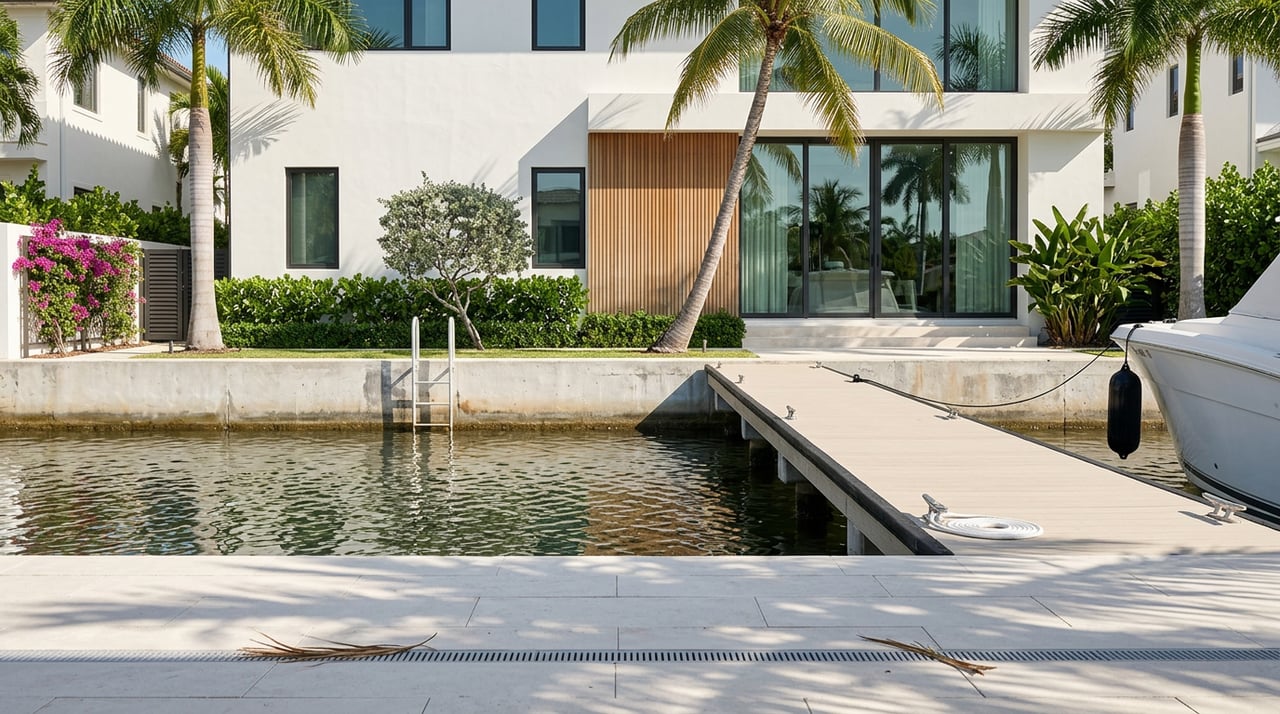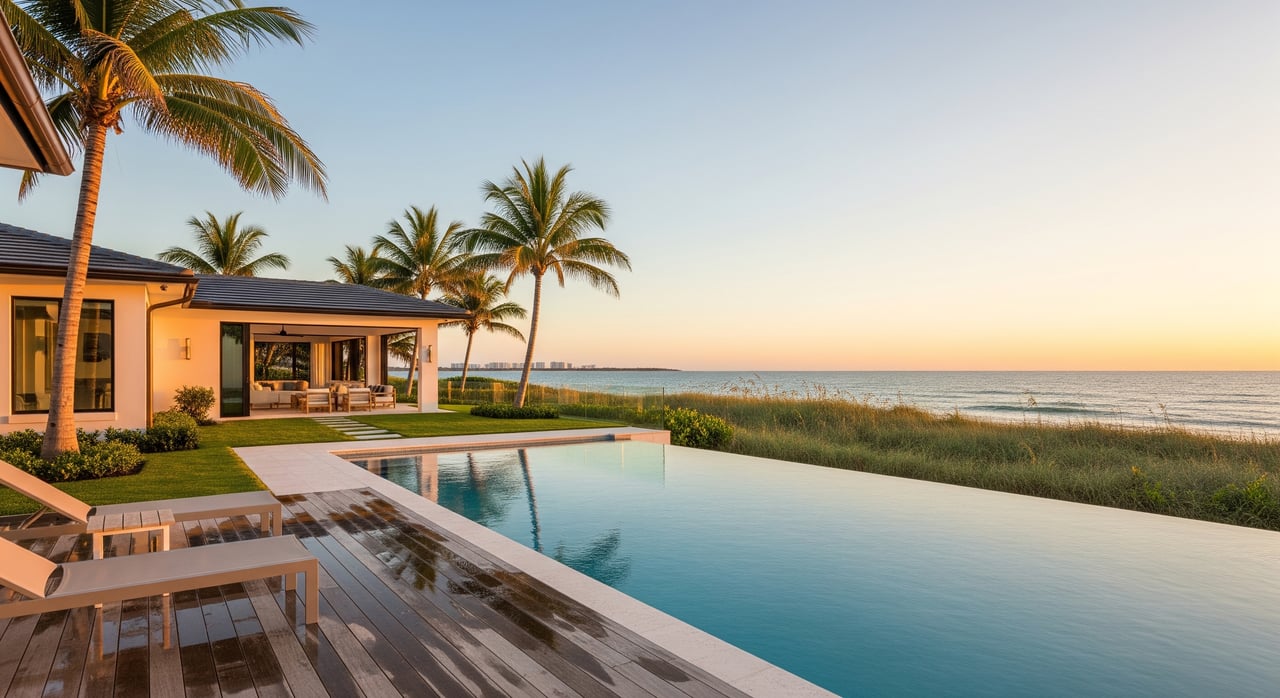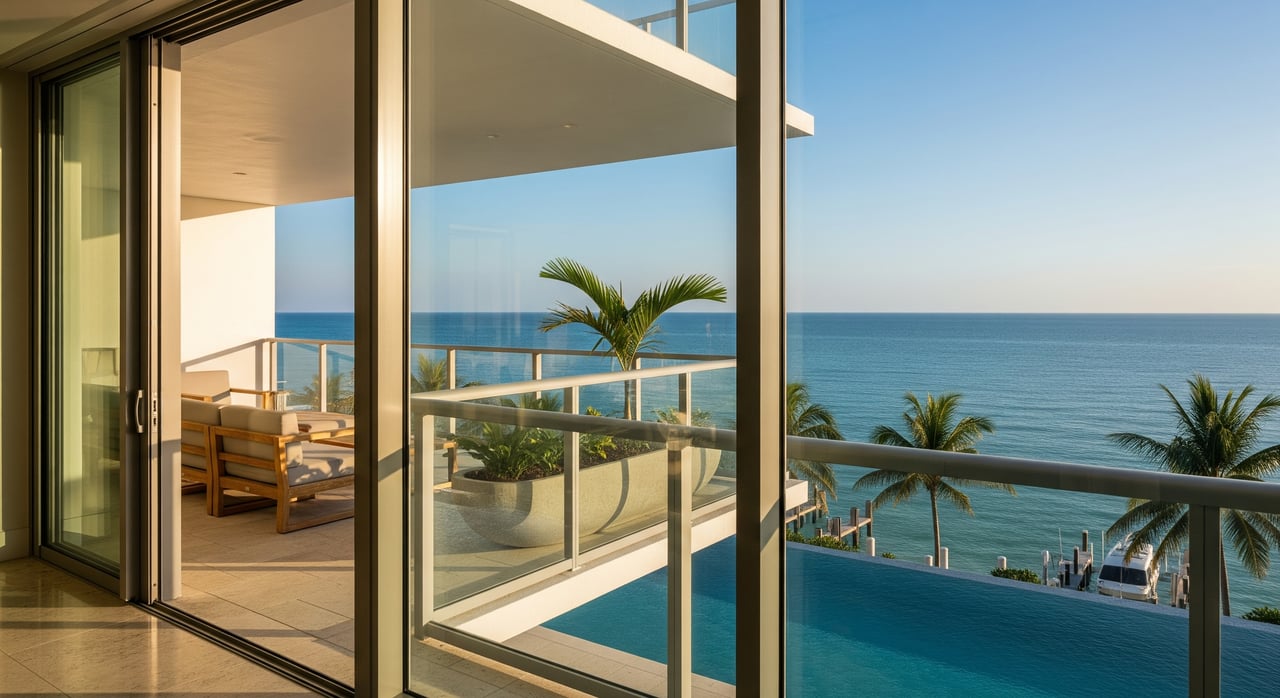
Thinking about a place where your mornings start with water views and your afternoons end on the sand or the boat? If Highland Beach is on your radar, you’re choosing one of South Florida’s most peaceful stretches of coastline. You want the right building, a strong association, and a unit with lasting value, not surprises after closing. This guide walks you through what to check, compare, and confirm so you can buy with confidence and enjoy the Highland Beach lifestyle. Let’s dive in.
Why Highland Beach works
Highland Beach sits on a narrow barrier island between Boca Raton and Delray Beach. You get a quieter, low‑density feel with buildings oriented to the ocean or the Intracoastal. Many buyers are second‑home owners, retirees, or boaters who want immediate water access.
You should balance the calm with access to services. Proximity to Boca Raton and Delray Beach affects your dining, medical, and entertainment options, plus resale appeal. Also plan for coastal insurance realities and local permitting rules that guide building changes and dock work.
First step: request key documents
Before you set foot in a lobby, ask for a complete information packet. Reviewing paperwork first helps you spot the best buildings and avoid wasting time.
- Condominium declaration, bylaws, and rules and regulations
- Latest financials: budget, balance sheet, income statement, and any audited or reviewed statements
- Most recent reserve study and funding history
- Board meeting minutes for the last 12–24 months
- Insurance certificates for the master policy, with windstorm and flood details and deductibles
- Litigation disclosures and any settlement documents
- History of special assessments and upcoming projects
- Recent structural or recertification inspection reports and any remediation plans
- Rental and pet policies
- Current owner‑occupancy and rental percentages
HOA health and amenities
You are buying into a community, not just a unit. Strong reserves and clear maintenance plans matter as much as granite countertops.
- Review the reserve study for line items like roof, elevators, waterproofing, exterior painting, HVAC, and seawall maintenance.
- Confirm operating costs and what dues include: utilities, staffing, elevator service, generators, landscaping.
- Inventory amenities: pool, fitness center, clubhouse, security, valet, beach access, on‑site management, guest parking, storage.
Watch for red flags: low reserves with big projects looming, repeated or large special assessments, high delinquency rates, frequent litigation, or insurance gaps.
Safety and recertification checks
After 2021, Florida strengthened structural inspection and recertification rules for condominium buildings, especially on the coast. Ask for any required recertification reports, timelines, and completed or planned repairs. If the building is older, look for prior reports and the schedule for the next inspection.
Insurance and flood considerations
Coastal insurance in Florida can be volatile. Expect higher wind and flood premiums than inland properties. Review the building’s master policy, coverage types, and deductibles, and understand whether you also need individual flood or wind coverage.
Flood risk is real on a narrow, low‑elevation barrier island. Check flood zones, base flood elevations, and long‑term sea‑level projections. These factors affect insurability and long‑term value, especially for lower floors.
Views and orientation
Water views are a key part of why you are here. Know what drives view quality and longevity.
- East-facing oceanfront units offer sunrise and direct ocean views but may carry higher storm exposure and premiums.
- West-facing units often capture Intracoastal and sunset views and tend to feel more protected in storms.
- Higher floors and corner stacks usually command better views and higher prices per square foot.
On site, step onto the balcony and scan for view obstructions, rooftop equipment, or neighboring construction. Check sightlines at different times of day for glare and privacy. Verify whether shutters or glass enclosures are allowed and how they affect your view.
Dockage, marina access, and boating
If boating is part of your lifestyle, dig into the details early. Slip availability in Highland Beach is limited and rules vary by building.
- Determine if slips are deeded to units or assigned by the association. Deeded slips typically convey with the unit.
- Verify slip length, beam, and draft with recent measurements. Depth can shift with sedimentation.
- Review seawall inspection records and dock maintenance logs. Seawall failure is costly and often leads to assessments.
- Confirm rules on transferring or leasing slips, liveaboard policies, pump-out access, and fueling restrictions.
- Understand bridge clearances and navigation routes relative to your boat’s height.
Bring a marine surveyor or dock contractor if you are serious about a building that promotes dockage.
Highland Beach vs. East Boca vs. Delray
Comparing nearby options helps you confirm that Highland Beach fits your lifestyle.
- Highland Beach: quieter, water-oriented buildings, strong appeal for privacy-focused and boating lifestyles. Fewer shops and restaurants within walking distance, and a smaller-town service base.
- East Boca Raton: broader retail and services, strong neighborhood options. Less of a small-town beach vibe.
- Delray Beach near Atlantic Avenue: lively dining and nightlife with an arts-and-events focus. It can be louder and more congested.
Your tradeoffs include walkability versus privacy, rental strategy, parking, pet rules, and storage. Owner-occupancy levels can shape building culture and maintenance priorities.
What to inspect during tours
Bring a short checklist to every showing so you compare buildings apples-to-apples.
- Elevators, lobby, and management presence
- Exterior concrete and balcony edges for cracking, spalling, rust stains, or patchwork
- Hallways and ceilings for signs of leaks or water intrusion
- Pool decks and waterproofing membranes for recent resurfacing and drainage
- Garage structure, standing water, and ventilation
- Rooftop equipment and parapets where visible
- Beach and security access points, including privacy between public and private areas
- View and noise at multiple times of day
- Dock condition, posted depth limits, and use rules
If you see unreported structural work, persistent leak evidence, or vague answers about upcoming assessments, pause and investigate further.
Financing and resale factors
Condo financing depends on the building’s project eligibility. Lenders look at owner‑occupancy, litigation, reserves, and commercial space limits. Rental rules and investor concentration influence both loan options and your future buyer pool.
A strong association with healthy reserves and a clear maintenance plan supports financing, insurability, and resale value. Ask your lender to pre‑check the building early in your search.
Professionals to have on your team
Buying coastal condos is a team sport. Line up specialists who know this market.
- Real estate attorney with Florida condo expertise
- CPA or advisor to review HOA financials and reserves
- Structural engineer or inspector experienced with coastal buildings
- Insurance broker familiar with coastal master policies
- Lender who regularly approves loans in the specific building
- Marine surveyor or dock contractor for slip and seawall verification
How to structure your search
A little sequencing saves time and protects your leverage.
- Pre‑screen documents to build a short list of 3–5 buildings that fit your budget and risk profile.
- Tour mid‑week and on a weekend to gauge parking, amenity usage, and noise.
- Revisit top units at different times to check light, glare, and sound.
- If you are serious, request updated financial packets and recent board minutes before making an offer.
The bottom line
Buying in Highland Beach is about matching the lifestyle you want with a building that is well run, well insured, and structurally sound. When you confirm reserves, maintenance history, view stability, and dockage realities, you lower risk and set yourself up for years of enjoyment.
If you want a hands-on partner who can read the building, the budget, and the balcony slab as well as the view, reach out to Alan Abramson. We will shortlist the right buildings, coordinate tours, and manage the due diligence so you can move forward with clarity.
FAQs
What makes Highland Beach different from East Boca and Delray for condo buyers?
- Highland Beach offers a quieter, water-centric setting with many oceanfront and Intracoastal buildings, while East Boca emphasizes broader services and Delray focuses on nightlife and events.
How do HOA reserves affect your costs in a Highland Beach condo?
- Healthy reserves reduce the likelihood of special assessments and support long-term projects like roofs, elevators, waterproofing, and seawalls, which stabilizes your ownership costs.
What should you know about flood zones and insurance when buying in Highland Beach?
- Expect higher wind and flood premiums than inland areas and verify the building’s master policy, deductibles, and your unit’s flood zone and base flood elevation.
How can you confirm dockage availability and boat fit in Highland Beach condos?
- Ask whether slips are deeded or assigned, verify dimensions and depth, review maintenance and permitting history, and consult a marine surveyor if your boat size is close to limits.
Which inspections and documents matter most for older coastal condos in Highland Beach?
- Recent structural or recertification reports, reserve studies, financials, minutes, and records of concrete restoration, elevator service, roof work, and seawall inspections are essential.
Can you rent out a Highland Beach condo and how do rules affect financing?
- Rental and owner‑occupancy rules vary by building, and they can affect lender project approval and your future buyer pool. Review the association’s rental policy before you buy.