Thinking about a Boca Raton condo and wondering what really moves prices here? You are not alone. Boca’s condo market runs on seasonality, building health, and waterfront premiums, so the headline price rarely tells the whole story. In this guide, you will learn the key metrics to track, Boca-specific factors that affect value, the due diligence steps that protect you, and how to turn market signals into a smart offer strategy. Let’s dive in.
What to watch first
Inventory and months of supply
Start with inventory and months of supply. Months of supply equals active listings divided by the average number of sales per month. As a rule of thumb, less than 4 months favors sellers, 4 to 6 months is balanced, and more than 6 months favors buyers.
In Boca, break this down by price tier and product type. Entry-level condos under 500,000 dollars often move faster than luxury units over 1 million dollars. Waterfront and trophy buildings typically have higher months of supply due to lower turnover and thinner buyer pools. This metric tells you how many options you have and how much leverage you can expect at the negotiating table.
Days on market and time to contract
Days on market and median time to contract show how quickly good listings are being absorbed. Under 30 days signals a hot segment, 30 to 90 days is moderate, and more than 90 days is slow. Watch changes month over month and compare to the same season last year. Boca is highly seasonal, so a July slowdown can be normal while a December slowdown is more telling.
When DOM is short, you may need to tighten timelines and strengthen contingencies. When DOM stretches, you can take more time, expand your search, and negotiate for credits.
Price per square foot
Price per square foot helps you compare apples to apples, but only if you narrow your set. For condos, prioritize comps in the same building, same stack or line if possible, and similar view, size, and condition. Waterfront units command a premium. So do features like deeded boat slips, secure garage parking, higher floors with unobstructed views, and recent renovations. PPSF can be misleading if you compare a fully updated penthouse with private beach access to an original-condition unit several blocks inland.
Other signals worth tracking
- Pending-to-active ratio: A ratio above 1 signals strong demand.
- Price-reduction rate: If more active listings are cutting price over 30 to 60 days, momentum is softening.
- New-listings velocity: A sudden influx of new listings can widen your choices and set up negotiation opportunities.
- Financing mix: High-end waterfront segments often have a larger cash share. That affects appraisal risk, time to close, and how competitive your financed offer needs to be.
Boca factors that move prices
Waterfront vs inland dynamics
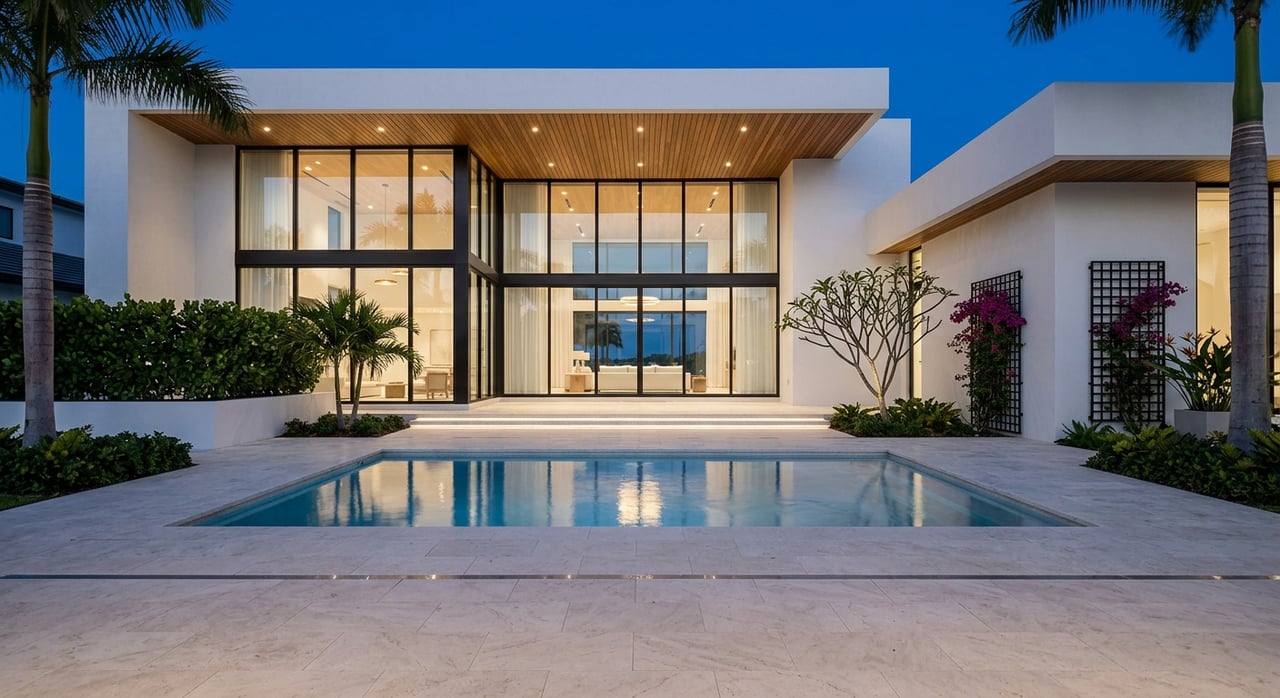
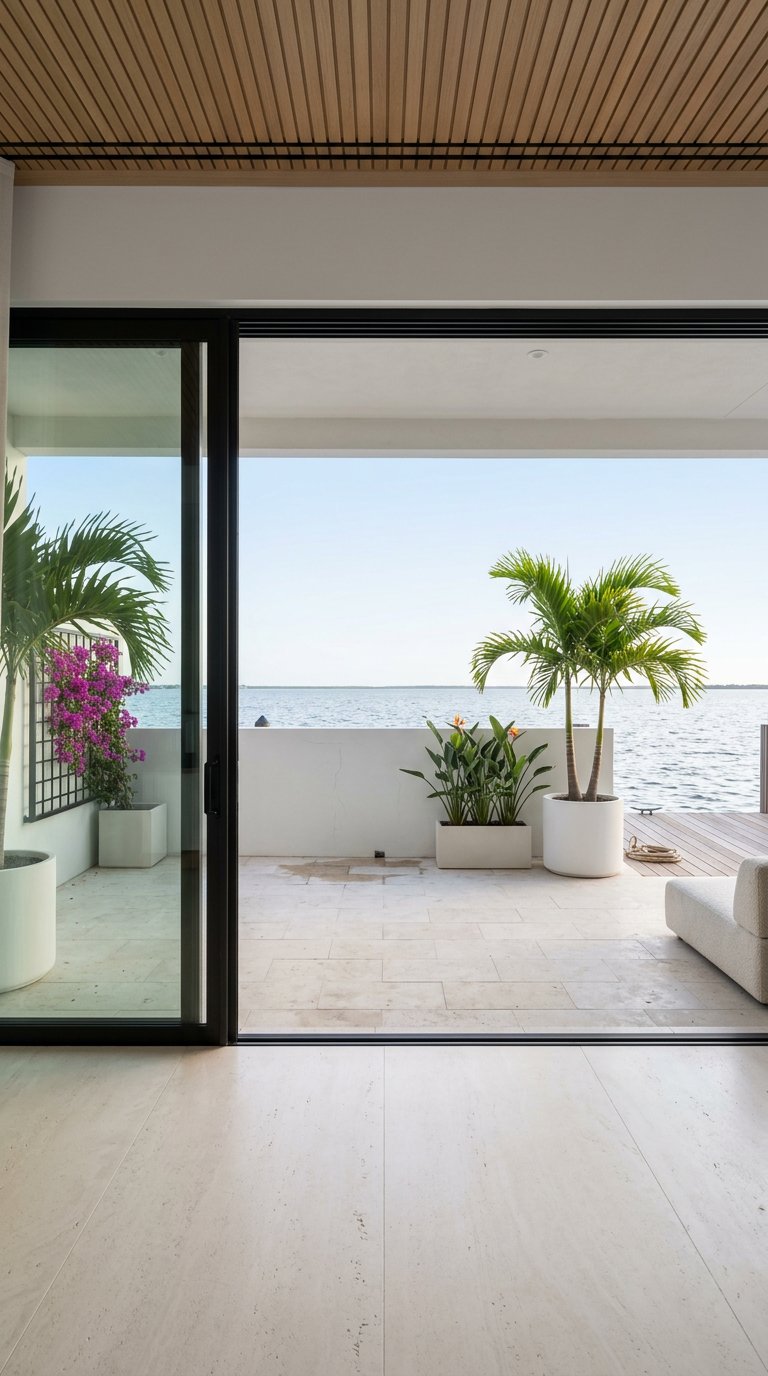
Boca’s condo landscape includes beachfront buildings along A1A, intracoastal and marina properties, east-of-I-95 options near downtown, and newer amenity-driven communities farther west. Waterfront typically carries higher PPSF, a larger cash-buyer share, and longer marketing times at the top of the market. Inland and west can offer more inventory, lower PPSF, and quicker sales.
This split matters when you interpret months of supply or DOM. A nine-month supply in a luxury waterfront tier may still be typical, while the same figure in an inland segment could indicate a real shift in leverage.
Seasonality that shapes strategy
Boca sees peak demand from roughly November through April. Seasonal residents and out-of-state buyers are most active then, which can shorten DOM and increase the odds of multiple offers. In summer and early fall, fewer buyers are in the market, inventory can expand, and some sellers become more negotiable. If your timeline is flexible, off-season shopping can be a smart way to trade speed for price or concessions.
Luxury rules of the game
Top-tier condominiums are a thin market. Small changes in buyer demand can move prices. Amenities and services drive value, from concierge and private beach access to on-site marine services and deeded slips. Many luxury buildings also restrict short-term rentals. If you are an investor or want occasional rental income, verify lease minimums and any caps before you get attached to a unit.
Risk, insurance, and building age
Insurance costs and flood exposure
Carrying costs can vary widely in coastal condos. Property, windstorm, and flood insurance premiums are higher near the ocean and intracoastal. If a building sits in a mapped flood zone, your lender may require flood insurance. Request the building’s certificate of insurance, review deductibles and coverage limits, and get an early read from a coastal insurance broker so you understand the full monthly outlay.
Building recertification and structural health
Since 2021, building safety and recertification have taken center stage in Florida. For older high-rises, ask for structural inspection histories, completed or scheduled recertifications, and any engineering reports. Early clarity here helps you avoid surprise assessments and timeline delays once you are under contract.
HOA reserves, budgets, and litigation
Older coastal buildings sometimes carry low reserves. That raises the probability of special assessments for concrete restoration, roof systems, balcony repairs, elevators, or waterproofing. Ask for the latest operating budget, audited financials, reserve study, and board meeting minutes. Also confirm whether any litigation is active. Lender guidelines can tighten for buildings with low reserves, low owner occupancy, or ongoing cases, which affects both loanability and resale.
Buyer due diligence checklist
Documents to request early
- Current-year operating budget and most recent audited financials.
- Reserve study and current reserve balance.
- Board meeting minutes for the last 12 to 24 months.
- Association certificate of insurance, including wind and flood details.
- Current building rules on leasing and pets, including minimum lease terms.
- Disclosure of pending or approved assessments and project timelines.
Inspection and technical reviews
- Standard home inspection plus building-specific items: roofing, balconies, windows and wind mitigation features, pool and deck systems.
- Structural or engineering review for older buildings, especially pre-1990s high-rises. Confirm recertification status if the building is 30 years or older.
- Elevation certificate and a flood risk review. Price out flood and wind coverage before your inspection period ends.
Financial and loanability checks
- Verify building eligibility for conventional, FHA, or VA financing if applicable. Some buildings limit financing due to reserves, owner-occupancy, or litigation.
- Identify capital improvement projects and how they are funded. A special assessment can change your total cost of ownership.
- Confirm any rental restrictions if you plan to rent seasonally or annually.
Title, survey, and deeded assets
- Confirm what is deeded versus assigned, including parking spaces, storage, and any boat slip.
- Review condominium declarations, easements, and use limitations that may affect your plans.
Turn signals into strategy
When the market softens
If you see falling PPSF, rising months of supply, and more price cuts, the balance is tilting toward buyers. Use that to negotiate on price, ask for seller-paid caps on upcoming assessments, and keep robust inspection contingencies. When DOM stretches, inspection-driven repricing is more realistic.
During peak-season competition
If months of supply is low, DOM is short, and the pending-to-active ratio is high during winter, prepare for competition. Have a current pre-approval or proof of funds ready, shorten your inspection timeline, and be clear about contingency terms. In the right scenario, consider an escalation strategy, but anchor your ceiling to building-specific comps.
For luxury and waterfront units
In the luxury tier you may see moderate to high months of supply while PPSF holds steady. That points to price segmentation rather than broad weakness. Be patient, track listings within target buildings, and watch for listings with long DOM or recent reductions. Compare within the building first, then benchmark against similar waterfront buildings with matching amenities and services.
Next steps for Boca buyers
- Pull current MLS numbers by price tier and by waterfront versus inland: active inventory, months of supply, median DOM, and median PPSF. Use a rolling 3 to 6 month lens to smooth noise.
- Get pre-approved with a condo-savvy lender early. Confirm building eligibility before you fall in love with a unit.
- Request HOA documents immediately once under contract and set firm timelines to review minutes, financials, reserves, and insurance.
- Price out flood and wind coverage with a local coastal broker before your inspection period ends.
- Map the building relative to A1A, the intracoastal, and flood zones. Views and elevation affect both enjoyment and cost.
- Lean on expert building assessment. A seasoned advisor can spot condition and reserve red flags, evaluate renovation ROI, and structure a contract that protects you.
If you want a calm, technical approach to Boca’s waterfront and luxury buildings, connect with Alan Abramson. You will get building-level comps, a clear read on reserves and assessments, and project-managed due diligence that makes your decision easier.
FAQs
What is a healthy months of supply for Boca condos?
- Under 4 months favors sellers, 4 to 6 months is balanced, and over 6 months favors buyers, but always segment by price tier and waterfront versus inland.
How does seasonality affect my timing in Boca Raton?
- November through April is the active season with faster absorption and more competition, while summer often brings more inventory and better negotiation room.
What should I review to gauge a building’s financial health?
- Ask for audited financials, the current budget, reserve study and balance, board minutes, and disclosures of assessments or large capital projects.
How do I compare price per square foot across buildings?
- Start with comps in the same building and line, then match view, size, and condition; adjust for amenities like parking, boat slips, and recent renovations.
Can financing be an issue in some Boca condo buildings?
- Yes. Litigation, low reserves, or low owner occupancy can limit loan options, so confirm building eligibility with your lender at the start of your search.